Choose a sign shop that can guide strategy, design, materials, production, permitting, and installation—not just print what you send. The right partner should understand your message, location, audience, durability needs, code requirements, and timeline before recommending a solution.
The right sign shop starts with the business goal, not the sign type
Many business owners begin by asking for “a banner,” “letters,” “window graphics,” or “a monument sign.” That is a natural place to start, but it is not where a strong sign project should stop.
A qualified sign shop in San Diego should first ask what the sign needs to accomplish:
- Bring in more walk-in traffic
- Help customers find the entrance
- Meet ADA or code requirements
- Brand a new office, lobby, vehicle, or storefront
- Promote a temporary event or construction project
- Create consistency across multiple locations
- Improve visibility from a road, parking lot, sidewalk, or interior corridor
That discovery step matters because two signs that look similar online may perform very differently in the real world. A storefront sign for a retail center in Escondido has different needs than interior wayfinding for a school, property management office, medical building, or municipal facility.
All Star Signs has served businesses across San Diego County since 1998, providing full-service design, fabrication, printing, and installation support from its Escondido location. That local experience is important because custom signs are rarely one-size-fits-all.
Many customers do not initially realize they are purchasing a custom marketing product. With different materials and production techniques available, the best result comes from understanding the client’s goals, expectations, and intended message before recommending a solution.
Custom sign projects need a design-through-installation process
A good sign shop should not leave you to coordinate multiple vendors unless the project truly requires it. For most business signage, the smoother path is a single partner that can handle the practical sequence from idea to installation.
A strong custom sign process usually includes:
- Project discovery — business goals, audience, location, message, and budget
- Site review — wall surface, measurements, visibility, lighting, landlord rules, and installation access
- Design direction — branding, colors, typography, contrast, scale, and readability
- Material recommendation — durability, finish, weather exposure, maintenance, and appearance
- Production planning — fabrication, printing, routing, vinyl application, or dimensional buildout
- Permit or compliance review — when exterior signs, electrical signs, or regulated signage may require approval
- Professional installation — placement, mounting method, safety, alignment, and finish quality
This is where a local full-service sign company can provide more value than an online-only printer or a generic franchise order desk. A sign is not successful because it exists. It is successful when it fits the building, brand, audience, regulations, and environment.
If you are comparing options for storefront, office, property, school, vehicle, or event signage, explore All Star Signs’ full range of all signs services to see how different sign types support different business needs.
Materials and production methods should match the environment
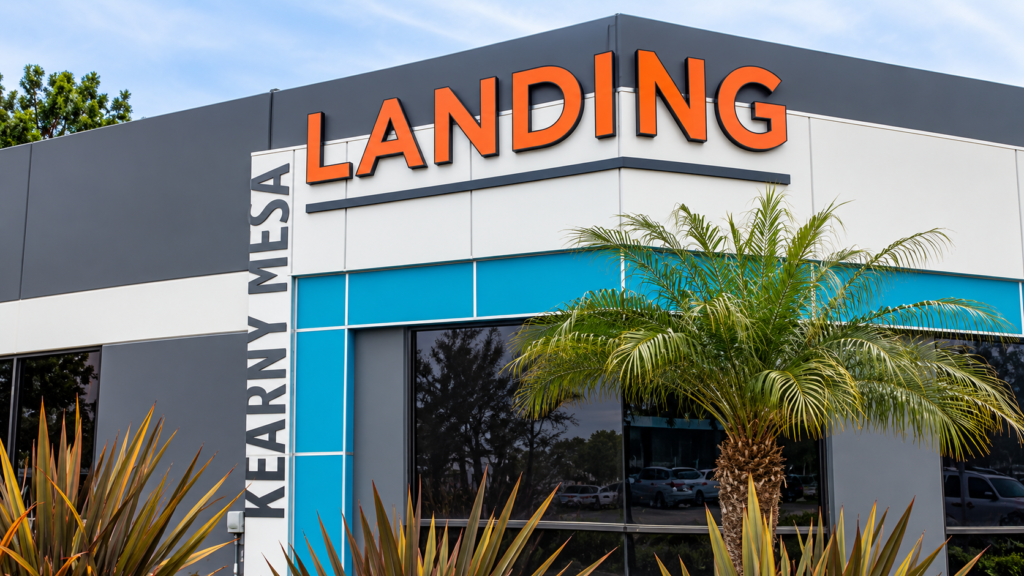
One of the biggest mistakes in sign buying is choosing based only on price or appearance in a proof. The material has to match where the sign will live and how long it needs to last.
For example:
| Project Need | Better-Fit Sign Options | What to Consider |
| Short-term promotion | Banners, yard signs, temporary window graphics | Cost, speed, visibility, removal |
| Storefront branding | Channel letters, dimensional letters, panels, cabinet signs | Lease rules, permits, illumination, distance viewing |
| Interior branding | Lobby signs, wall graphics, dimensional letters | Finish quality, lighting, visitor impression |
| Compliance | ADA signage, room IDs, wayfinding | Placement, tactile lettering, Braille, contrast |
| Mobile advertising | Vehicle wraps, decals, fleet graphics | Road visibility, brand consistency, vinyl durability |
| Schools and campuses | Marquees, directories, wayfinding, wall graphics | Safety, navigation, durability, phased updates |
For indoor compliance and accessibility needs, make sure your sign partner understands ADA signage, placement standards, tactile requirements, and how those signs fit into the broader visual system of the property.
For outdoor and mobile exposure, material quality becomes even more important. San Diego County signage may face sun, coastal air, traffic exposure, and frequent public viewing. All Star Signs also uses HP Latex printing technology, which supports high-quality graphics with a more eco-conscious production approach compared with many older print methods.
Local San Diego sign experience reduces avoidable project friction
A San Diego sign project can involve more than artwork and fabrication. Depending on the sign type and location, the project may involve:
- City or municipal sign rules
- Landlord or property manager approval
- Shopping center sign criteria
- Electrical requirements
- Wall surface and mounting limitations
- Visibility from streets, driveways, or parking lots
- Multi-tenant property standards
- Installation timing and access restrictions
A local sign shop that regularly works in Escondido, San Marcos, Vista, Carlsbad, Oceanside, Poway, Chula Vista, and greater San Diego County can often spot issues earlier. That helps prevent expensive redesigns, installation delays, or signs that look good on a screen but fail in the field.
This is especially important for schools, property managers, contractors, municipalities, medical offices, retail centers, churches, and multi-location businesses. These projects often require consistency, durability, compliance, and coordination—not just a fast print turnaround.
Need help choosing the right sign type before you order? Contact All Star Signs to review your location, message, material options, and installation needs. If you are located in North County, start with the local sign company Escondido team for practical guidance from design through installation.
A reliable sign shop makes recommendations instead of taking blind orders
A weak sign-buying experience sounds like this: “Send us your file, choose a size, and we’ll print it.”
A better experience sounds like this:
- “Where will the sign be installed?”
- “How far away should people be able to read it?”
- “Is this temporary, seasonal, or long-term?”
- “Do you need landlord or city approval?”
- “Will this be exposed to sun, wind, moisture, or traffic?”
- “Is this for branding, wayfinding, compliance, or promotion?”
- “Do you already have brand files, or do you need design support?”
Those questions protect the buyer. They help the sign shop recommend the right substrate, finish, installation method, and production path.
For example, a business asking for a basic window graphic may actually need a combination of door lettering, frosted privacy vinyl, and exterior directional signage. A contractor asking for one truck decal may eventually need consistent vehicle wraps San Diego branding across vans, trailers, and service vehicles. A school asking for a sign may need campus wayfinding, safety signs, and marquees for schools that can support communication over time.
The best sign shop is not the one that sells the most expensive option. It is the one that helps you avoid buying the wrong option.
The best partner balances speed, craftsmanship, and practical budget
Fast turnaround matters, but speed should not come at the expense of poor materials, weak installation, or unclear expectations. A professional sign shop should be able to explain what affects timing and cost.
Common factors include:
- Sign size and complexity
- Design readiness
- Material availability
- Printing versus fabrication needs
- Permit or approval requirements
- Electrical or illuminated components
- Installation access
- Quantity and multi-site coordination
- Removal of old signage
For simple banners, decals, or printed graphics, timelines may be relatively quick. For exterior building signs, illuminated signs, monument signs, or signs requiring approval, the schedule can be longer. A trustworthy provider will clarify that early instead of promising unrealistic delivery.
Budget should also be discussed honestly. Lower-cost signs can be appropriate for temporary promotions. Longer-lasting business identity signs require better planning because they represent the company every day.
A practical checklist helps you compare San Diego sign shops
Before choosing a sign shop, use this checklist:
- Do they ask about your business goal before recommending a product?
- Can they design, produce, and install the sign?
- Do they understand local San Diego County conditions and requirements?
- Can they explain material choices in plain language?
- Do they handle ADA, interior, exterior, vehicle, and specialty signage?
- Do they have experience with businesses like yours?
- Do they offer durable, professional production methods?
- Do they give realistic expectations for approvals, fabrication, and installation?
- Do they help you think through visibility, readability, and placement?
- Do they stand behind the final result?
If the answer is mostly “yes,” you are likely dealing with a true custom sign partner—not just a vendor.
Frequently asked questions about choosing a sign shop in San Diego
What should I bring to a sign shop before requesting a quote?
Bring your logo files if you have them, photos of the installation area, measurements, landlord or property requirements, examples of signs you like, and a clear idea of what the sign needs to accomplish. If you do not have those items, a full-service sign shop can help gather the right information.
Is it better to use a local sign shop or an online sign printer?
Use a local sign shop when the project involves installation, site conditions, permits, material recommendations, visibility planning, ADA compliance, or long-term branding. Online printers may work for simple temporary items, but they usually cannot evaluate the location or install the finished sign.
Can one sign shop handle storefront signs, vehicle graphics, and interior signs?
Yes, a full-service sign shop can often handle storefront signs, lobby signs, wall graphics, ADA signage, banners, vehicle graphics, and more. That is useful when you want consistent branding across your building, office, fleet, and customer-facing spaces.
Do custom signs in San Diego require permits?
Some signs may require permits or approvals, especially exterior, illuminated, building-mounted, monument, or large-format signs. Requirements depend on the city, property type, sign size, and installation method. A local sign shop can help identify whether approvals are likely before production begins.
How do I know which sign material is right?
The right material depends on location, lifespan, weather exposure, budget, installation surface, and desired appearance. A temporary banner, exterior dimensional letters, ADA room sign, vehicle graphic, and lobby sign all have different material needs. The best recommendation starts with where the sign will be used and what it needs to do.
Request a consultation
Contact Us