A construction site is a dynamic environment, a place of transformation and progress. But amidst the hustle and bustle, safety and clear communication are paramount. This is where construction site signage comes in—a critical component that goes far beyond simple warnings. This blog post, the first in our series on industry-specific signage, explores the essential role of signage on a construction site, from ensuring safety to promoting your brand.
The Importance of Construction Site Signage
Effective signage is the unsung hero of a well-managed construction site. It serves several crucial functions:
- Enhancing Safety: The most critical role of construction signage is to prevent accidents. Signs that warn of potential hazards, mandate personal protective equipment (PPE), and delineate restricted areas are essential for protecting workers, visitors, and the public.
- Ensuring Legal and Regulatory Compliance: OSHA and local regulations mandate specific types of signage on construction sites. Proper signage is not just a best practice; it’s a legal requirement that can help you avoid hefty fines and legal liabilities.
- Improving Site Navigation and Efficiency: A large construction site can be a confusing maze of activity. Directional signs that guide workers, delivery trucks, and visitors to the right locations can significantly improve workflow and reduce delays.
- Promoting Your Brand and Project: Construction sites are highly visible, offering a unique opportunity for branding and marketing. Signs that display your company logo, project renderings, and contact information can generate buzz and attract potential clients or tenants.
Types of Essential Construction Site Signage
A comprehensive construction signage plan includes a variety of signs, each with a specific purpose:
| Sign Type | Purpose | Examples |
|---|---|---|
| Safety Signs | To warn of hazards and mandate safety protocols | “Hard Hat Area,” “Danger: High Voltage,” “No Trespassing” |
| Directional Signs | To guide traffic and personnel | “Truck Entrance,” “Site Office,” “Visitor Parking” |
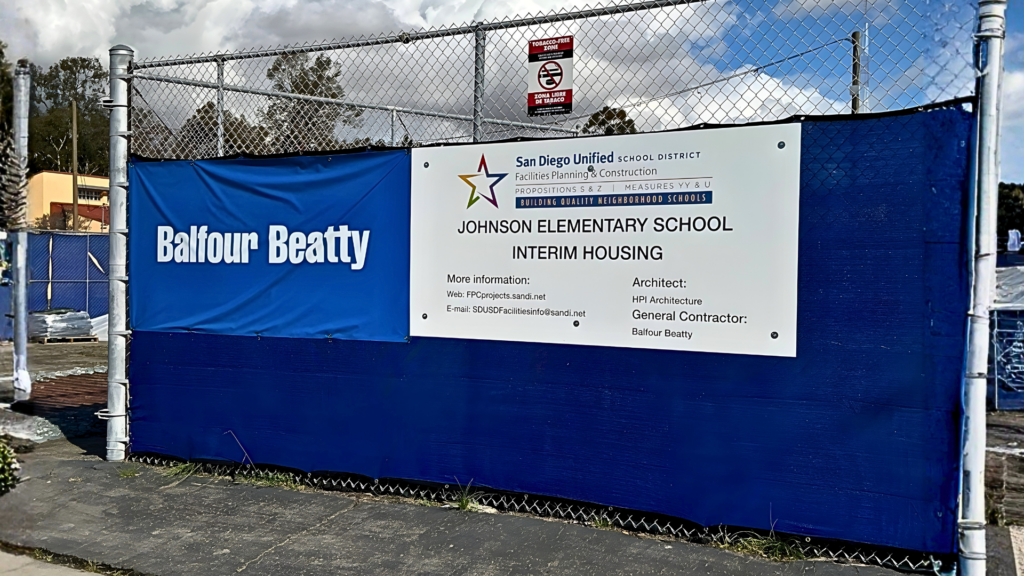
| Informational Signs | To provide important project details | Project renderings, completion dates, contact information |
| Branding Signs | To promote the companies involved | Company logos on fence wraps, banners, and post and panel signs |
Material and Durability Considerations
Construction site signs need to be durable enough to withstand the rigors of the environment. They are exposed to sun, wind, rain, and dust, so choosing the right materials is crucial. Common materials for construction signs include:
- Aluminum: Lightweight, durable, and weather-resistant, aluminum is an excellent choice for a variety of signs.
- Coroplast: A corrugated plastic that is lightweight and cost-effective, ideal for temporary signs.
- Vinyl Banners and Fence Wraps: Perfect for large-format branding and advertising, vinyl is durable and can be printed with high-quality graphics.
- Plywood and MDO (Medium Density Overlay): A popular choice for larger, more permanent signs, MDO provides a smooth, paintable surface.
The All Star Signs Advantage
At All Star Signs, we understand the unique challenges of construction site signage. We work with general contractors, developers, and construction companies to create comprehensive signage plans that meet all safety, regulatory, and branding needs. Our team can help you with everything from initial design to final installation, ensuring that your site is safe, efficient, and professional.
Whether you need a single safety sign or a complete signage package for a multi-year project, All Star Signs has the expertise and experience to deliver high-quality, durable solutions.
Contact us today to discuss your construction site signage needs.