When it comes to making a lasting first impression, the signage outside a property plays a pivotal role. It’s the first point of contact for visitors, clients, and tenants. In the realm of architectural signage, one type stands out for its grandeur and permanence: the monument sign. This blog post, the first in our Architectural Signage Series, delves into the world of monument signs, exploring their significance, design considerations, and why they are a crucial investment for any high-value property.
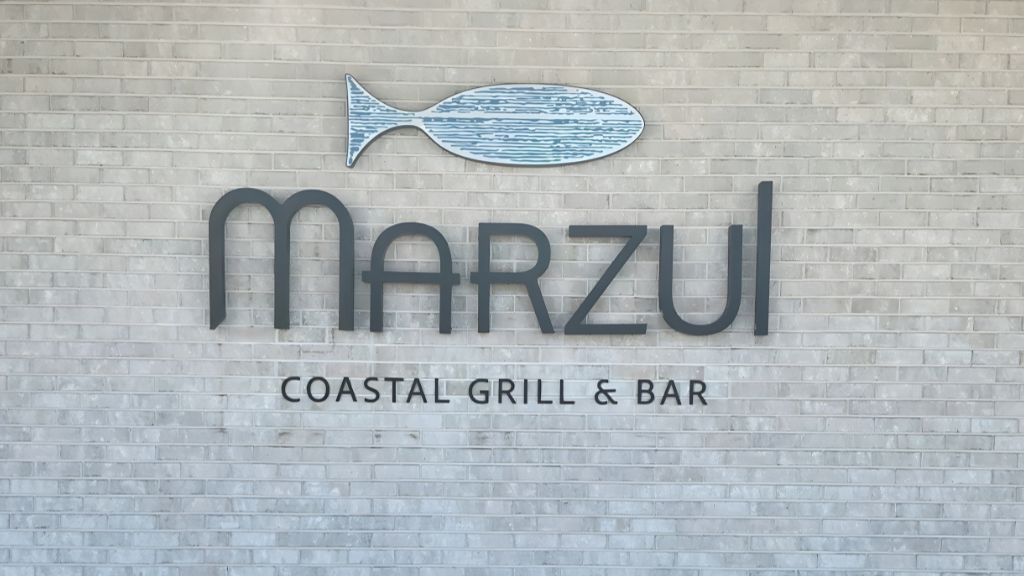
What is a Monument Sign?
A monument sign is a freestanding, ground-level sign that is often constructed from materials like stone, brick, concrete, or metal. Unlike pylon signs that tower high in the air, monument signs are designed to be at or near eye level, creating a more intimate and sophisticated introduction to a property. They are not just markers; they are architectural elements that blend seamlessly with the landscape and the building’s design, enhancing the overall aesthetic and brand identity.
The Benefits of a Well-Designed Monument Sign
A strategically designed and placed monument sign offers a multitude of benefits for businesses, commercial properties, and residential communities:
- Enhanced Curb Appeal and Professionalism: A beautifully crafted monument sign instantly elevates the perceived value of a property. It communicates a sense of permanence, stability, and professionalism that resonates with tenants, clients, and visitors.
- Increased Visibility and Brand Recognition: Positioned at the entrance of a property, a monument sign is a powerful branding tool. It ensures that your business or property is easily identifiable from the road, reinforcing your brand identity to everyone who passes by.
- Durability and Longevity: Constructed from robust materials, monument signs are built to withstand the elements and the test of time. This makes them a cost-effective, long-term investment in your property’s marketing and branding efforts.
- Design Versatility: Monument signs offer a wide range of design possibilities. They can be customized to match the architectural style of your building, incorporating your logo, brand colors, and even intricate design elements. This versatility allows for a truly unique and memorable statement piece.
Design and Material Considerations
The design of a monument sign should be a collaborative process between the client, the sign company, and, in many cases, the architect. The goal is to create a sign that is not only functional but also an integral part of the property’s design language. Here are some key considerations:
| Material | Best For | Design Style |
|---|---|---|
| Brick and Stone | A classic, timeless look | Traditional, rustic, upscale |
| Poured Concrete | Modern, minimalist aesthetics | Contemporary, industrial, brutalist |
| Aluminum and Steel | Sleek, clean lines | Modern, high-tech, corporate |
| High-Density Urethane (HDU) | Versatility and intricate designs | Can mimic other materials like wood or stone |
In addition to the base material, the lettering and logos on the sign can be created from a variety of materials, including dimensional letters, channel letters (which can be illuminated), or even digital displays for a more dynamic element.
The All Star Signs Approach
At All Star Signs, we understand that a monument sign is more than just a sign; it’s a landmark. Our team of experienced designers and fabricators works closely with clients, architects, and property managers to create custom monument signs that are both beautiful and effective. We pride ourselves on our craftsmanship, attention to detail, and our ability to bring our clients’ visions to life.
Whether you are developing a new commercial property, rebranding an existing building, or looking to enhance the entrance to your business, a custom monument sign from All Star Signs is a powerful investment that will pay dividends for years to come.
Contact us today to learn more about our architectural signage solutions.